
Last updated September 22, 2026
Level 1 sweep and inspection to the NFPA 211 annual standard - flue, crown, cap, and flashing checked and photographed
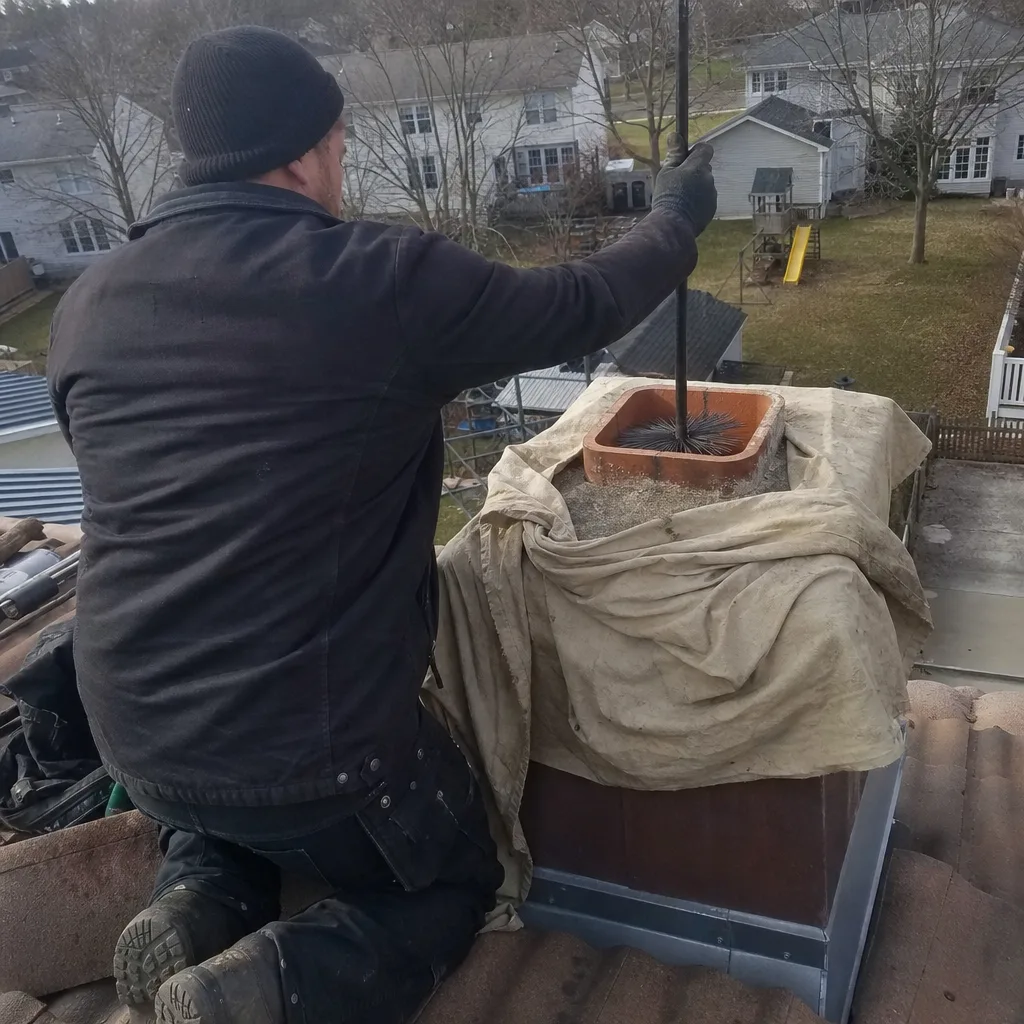
Chimney sweep logs do not sweep chimneys. They loosen some creosote - which then falls where a brush and vacuum still have to collect it.
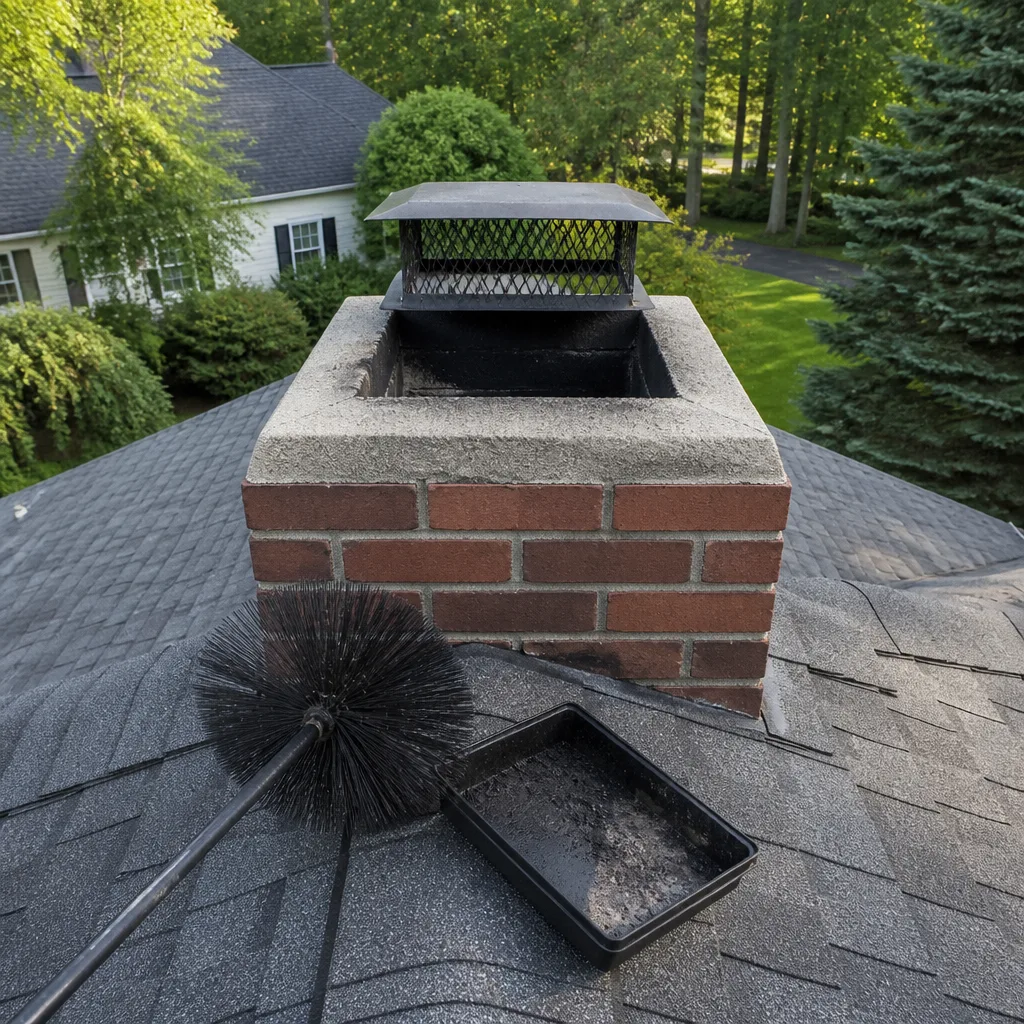
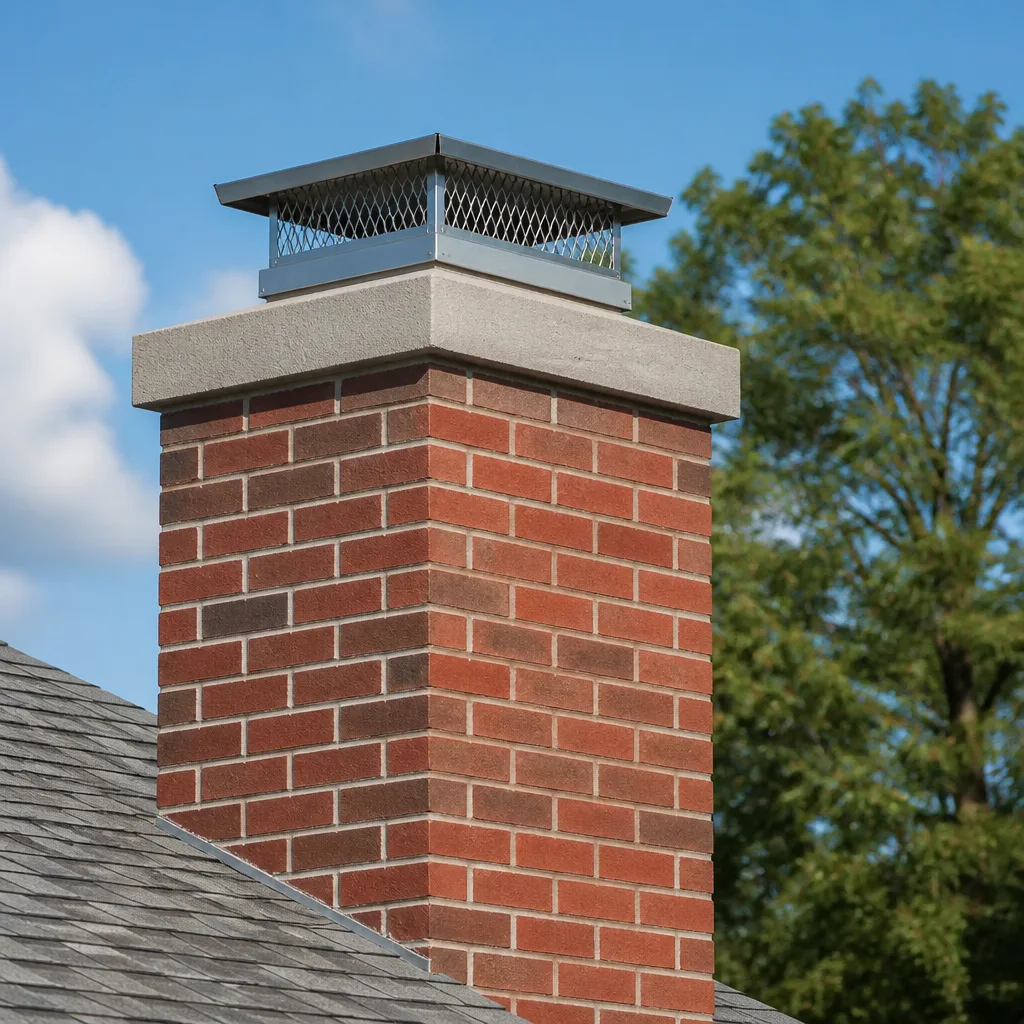
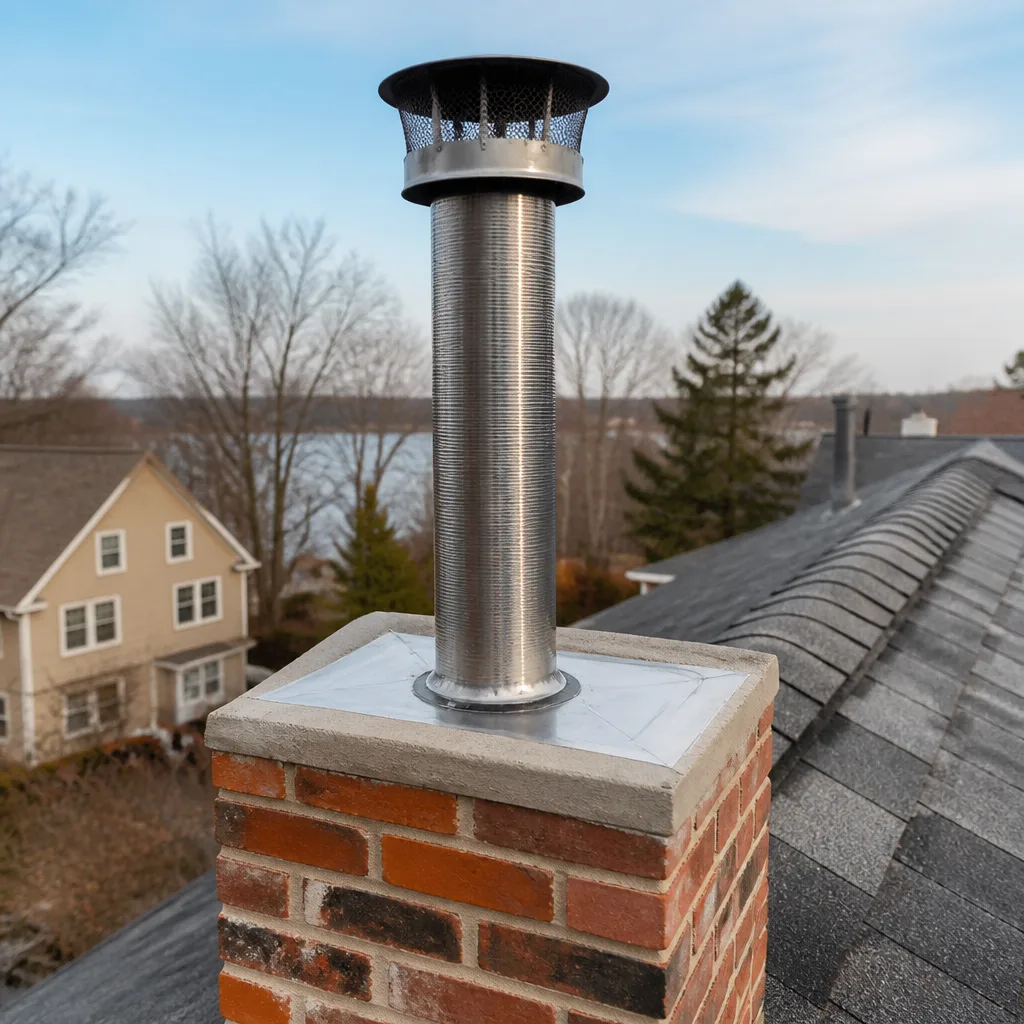
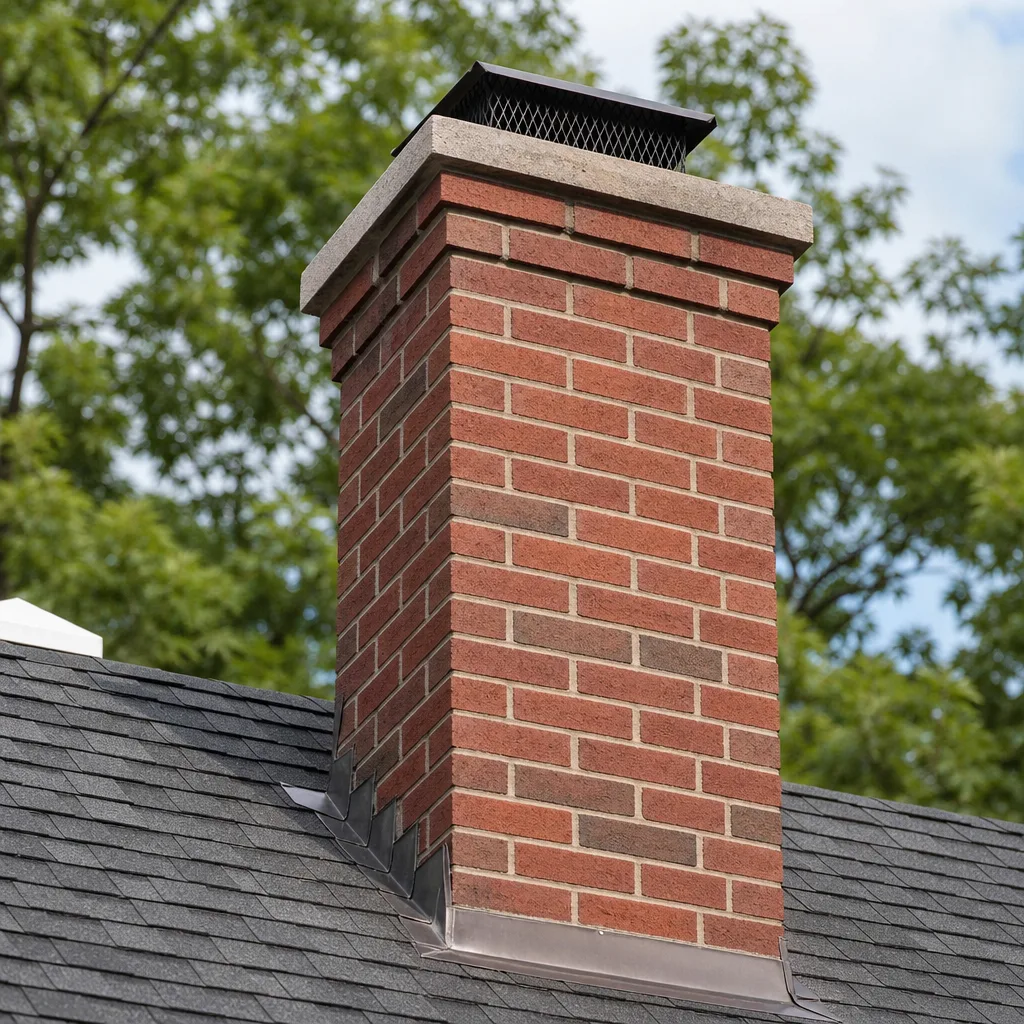
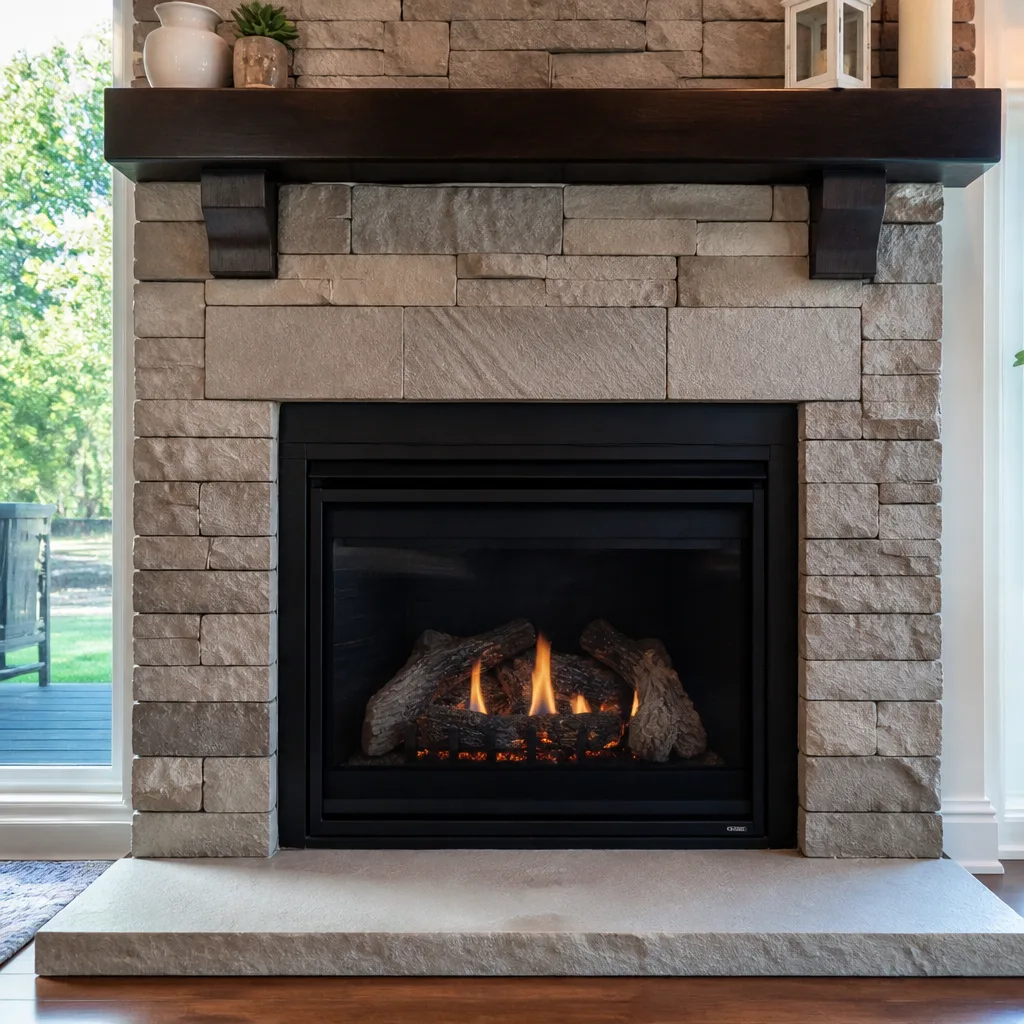
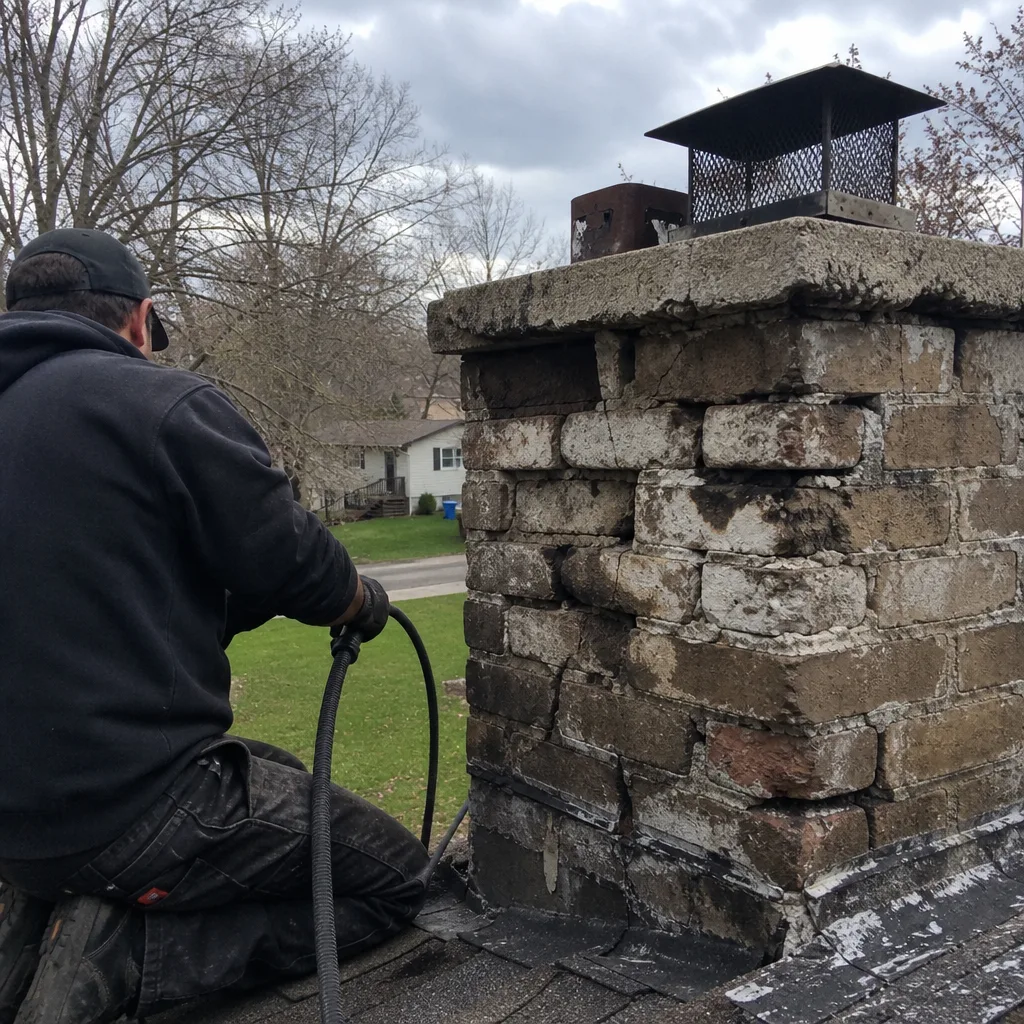 Before
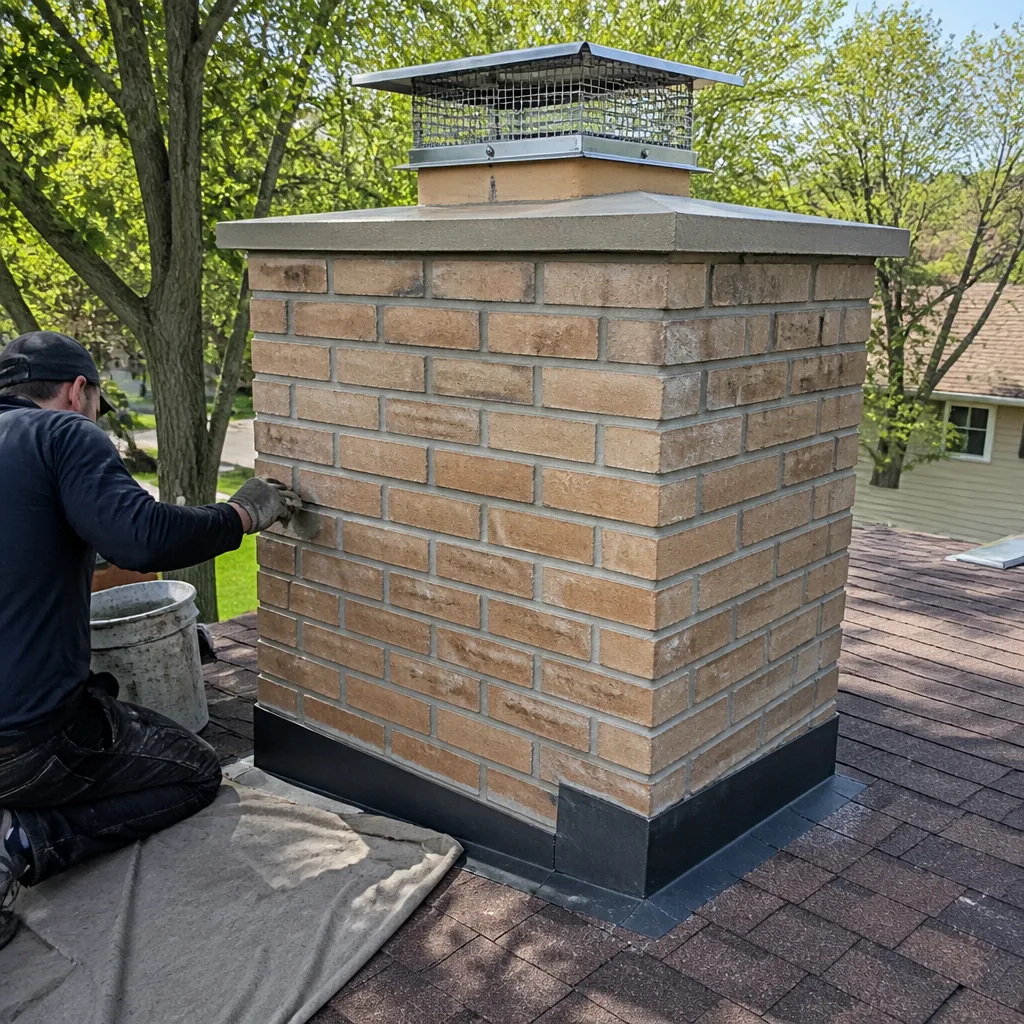 After
After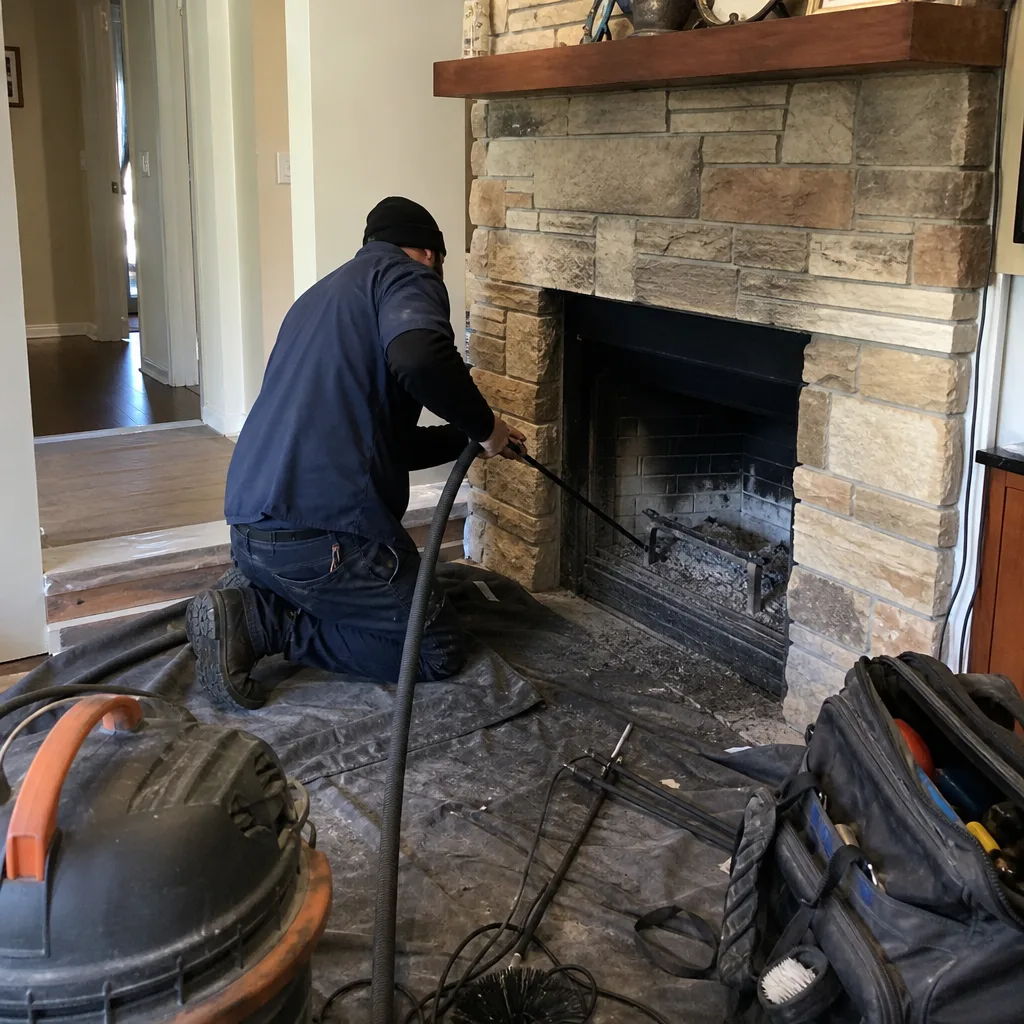 Before
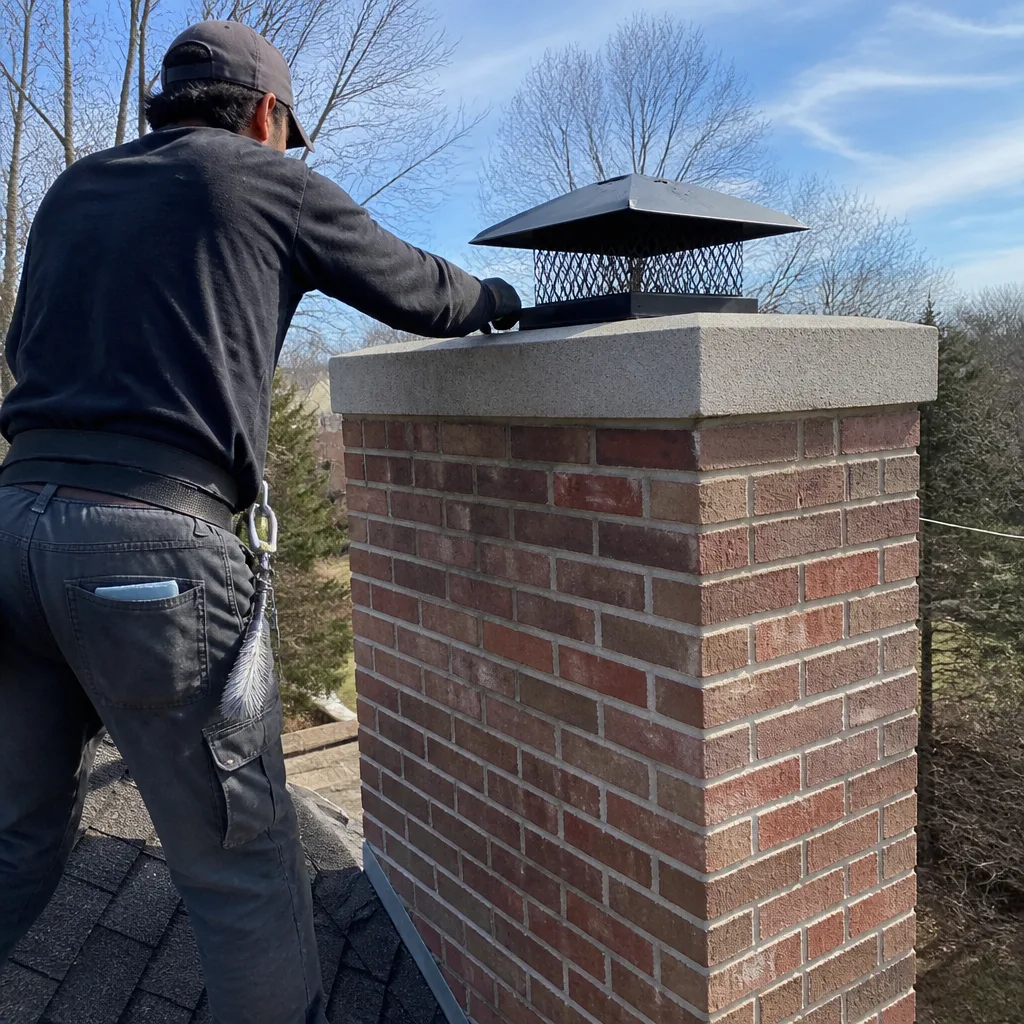 After
After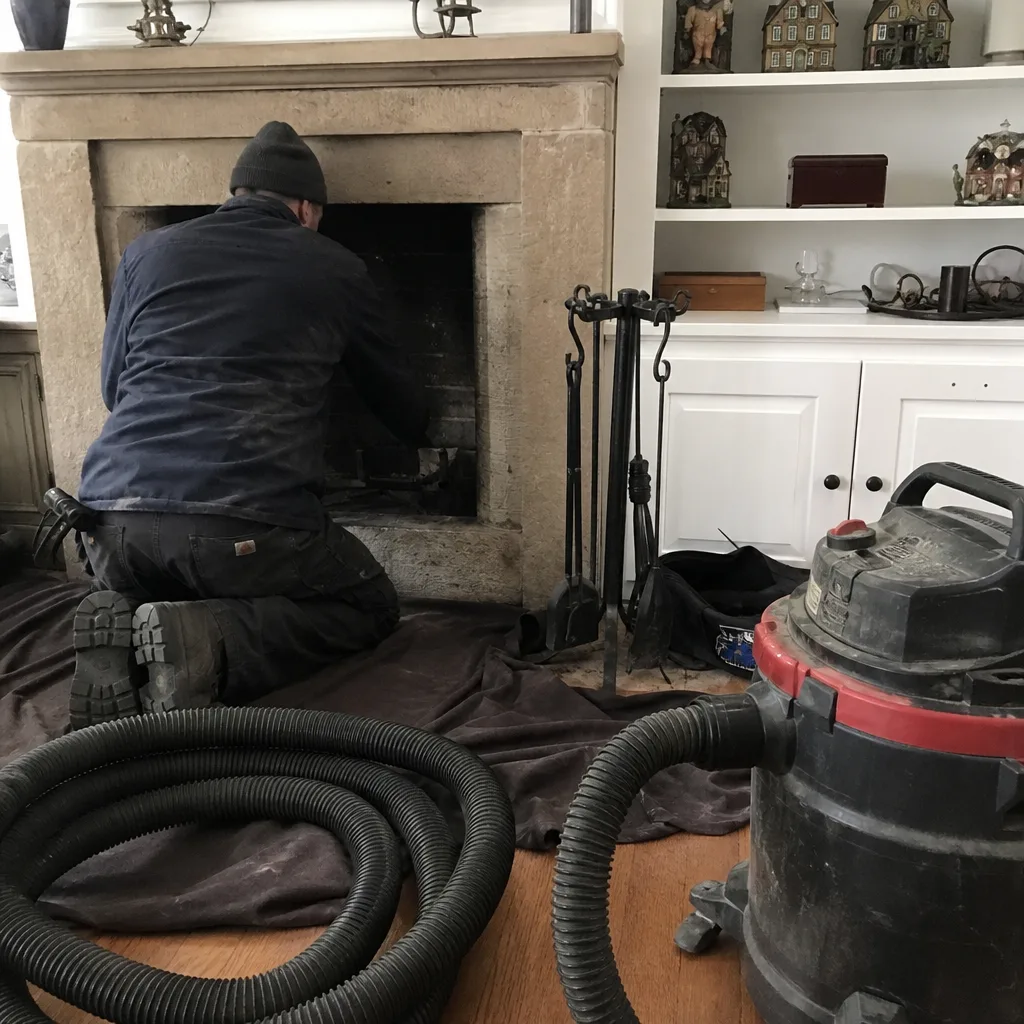 Before
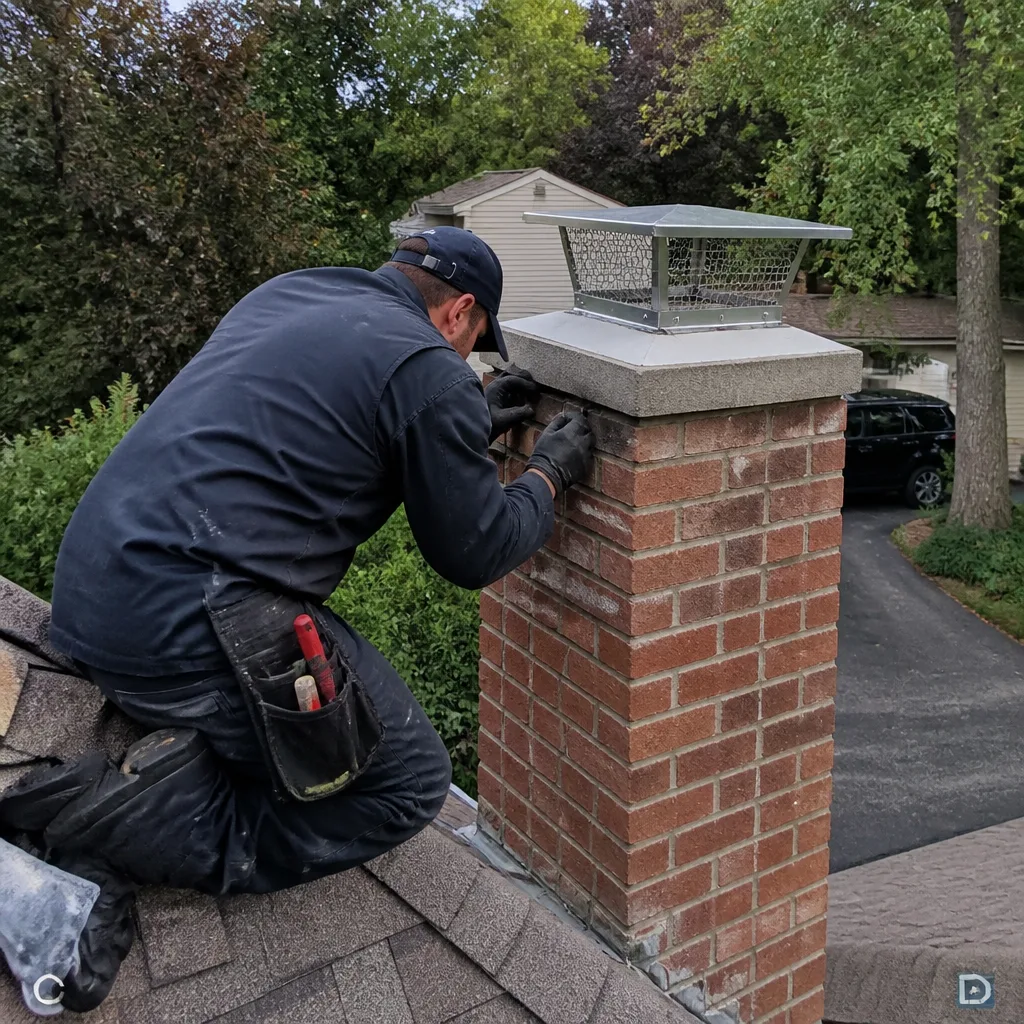 After
AfterChimney Cleaning Permits, Codes & Inspections in IL: What You Need to Know
Cleaning your chimney requires no permit. Relining the flue your cleaning uncovered? That’s a different story - and in Cook County, unpermitted liner work is one of the top five issues flagged during home sale inspections. We’ve been sweeping chimneys in Arlington Heights since 2009, and we’ve watched the same pattern repeat: a routine cleaning reveals deteriorated flue tiles, the homeowner accepts a quick repair quote, and two years later the sale of their home stalls because the village has no record of the work. This guide - alongside our Complete Guide to Chimney Cleaning in Arlington Heights - explains exactly which chimney services trigger permits in Illinois, which don’t, and how to protect yourself from the documentation gaps that cost real money.
Quick Answer
Chimney cleaning and sweeping do not require a permit anywhere in Illinois. However, flue liner replacement, chimney rebuilds, structural modifications, and new fireplace installations typically require permits through your local municipality or Cook County. In Arlington Heights, the Village Building Department issues these permits, and unpermitted liner work - something we cover in our Chimney Cleaning Warning Signs guide - can block home sales, void insurance claims, and trigger mandatory reinspection at the homeowner’s expense.
Table of Contents
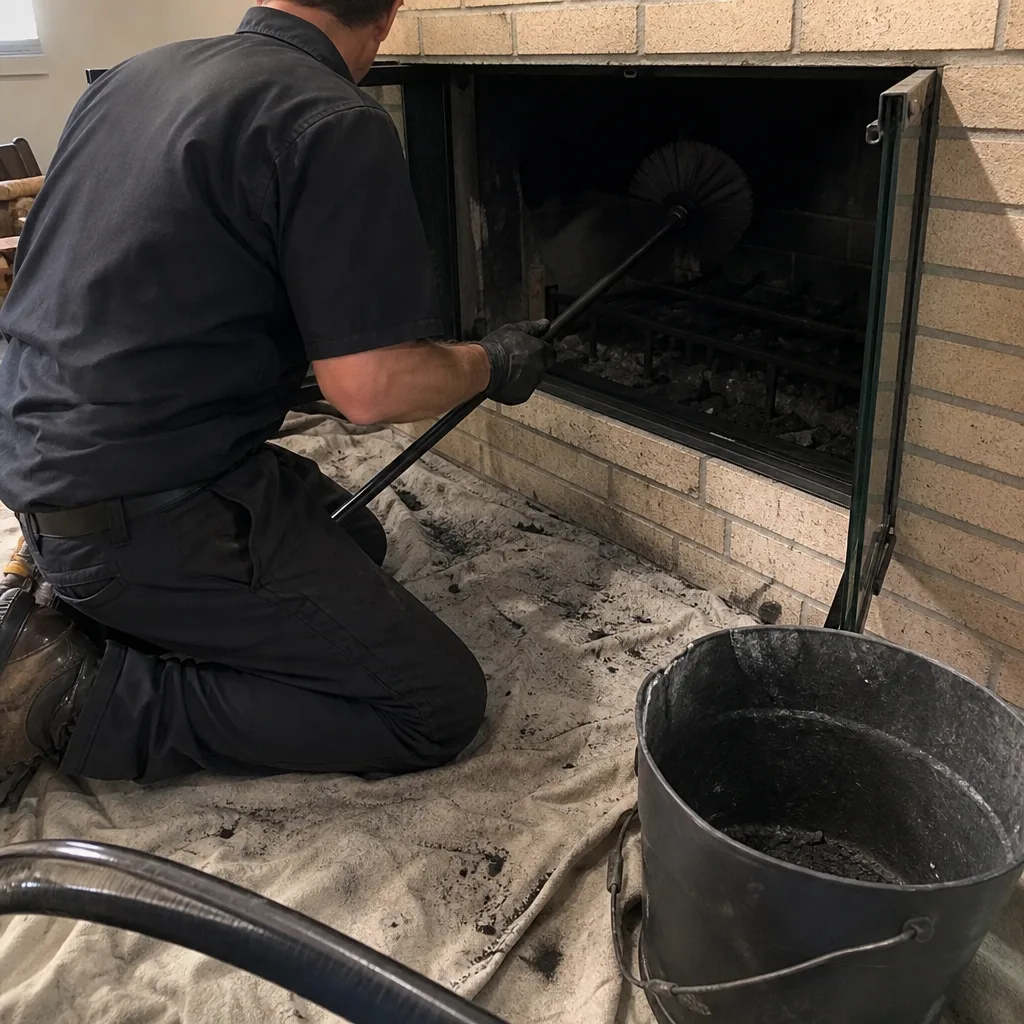
- What’s the Difference Between Cleaning and Repairs for Permits?
- Cook County vs. Arlington Heights: Who Issues What Permit?
- NFPA 211: The Baseline Standard Illinois Uses
- When a Level 2 Inspection Is Required by Law or Insurance
- What Your Insurance Company Needs to See After an Incident
- Chimney Condition and the Illinois Residential Real Property Disclosure Act
- Common Mistakes to Avoid
- When to Call a Professional
- Frequently Asked Questions
BeforeAfterWhat’s the Difference Between Cleaning and Repairs for Permits?
The permit threshold in Illinois is structural change, not soot removal. Understanding where the line sits saves you from both unnecessary paperwork and costly violations.
No permit required: Standard chimney sweeping, creosote removal, firebox cleaning, and crown sealing with brush-applied products. These are maintenance activities. In Arlington Heights, we’ve performed thousands of these without village involvement. The work doesn’t alter the structure, load path, or venting capacity of the system.
Permit typically required: Flue liner replacement or relining, smoke chamber parging, chimney rebuilds above the roofline, hearth extension modifications, gas line connections for inserts, and new chimney construction. These change the engineered performance of the system or involve regulated trades.
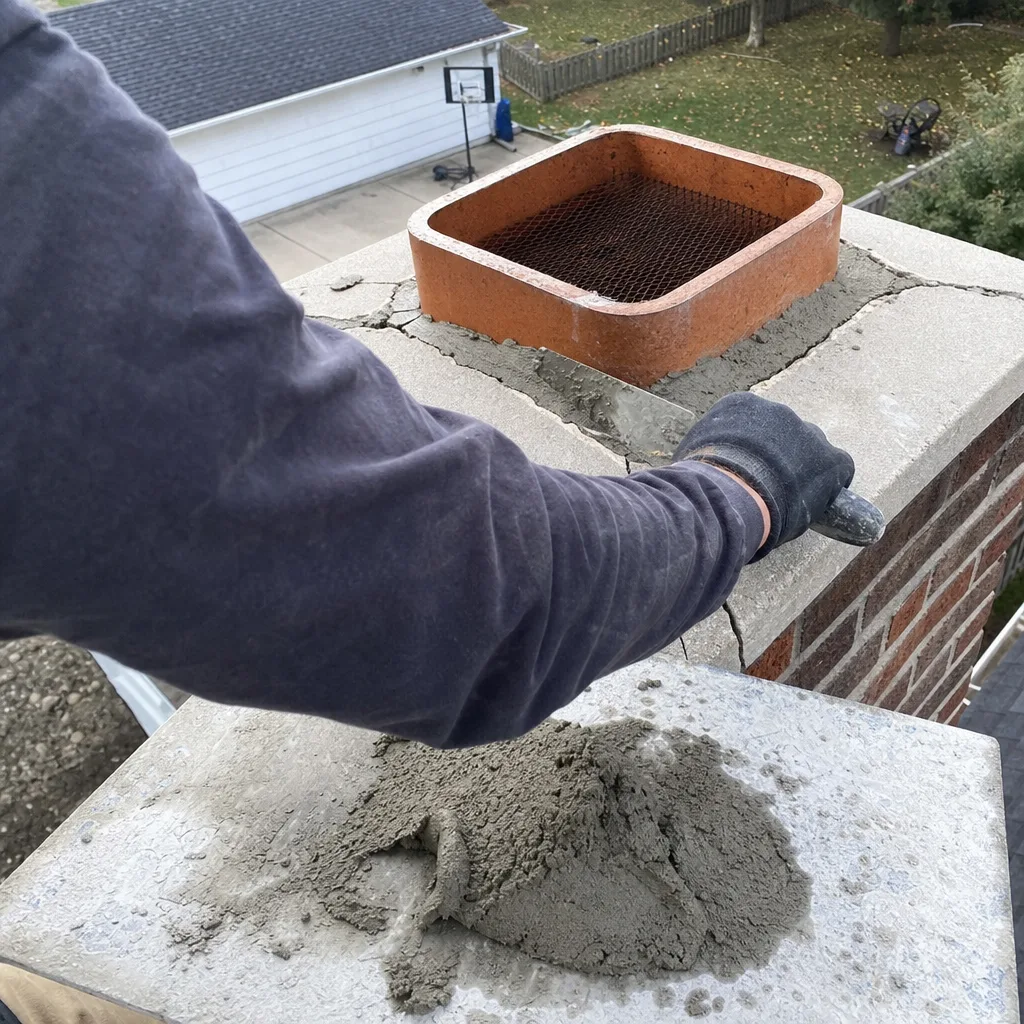
Gray area - check with your municipality: Crown replacement with formed concrete, damper installation, and exterior waterproofing. Some villages treat these as maintenance; others classify them as alterations. Arlington Heights generally requires permits for crown replacement when formwork is involved, but not for crown coating with elastomeric sealers.
Here’s the practical test we use: if the work changes what a home inspector would write in their report, it probably needs a permit. A cleaned flue doesn’t change the report. A new stainless steel liner does. That distinction matters because unpermitted liner work in Cook County averages $2,800-$4,200 to bring into compliance after the fact, including permit fees, inspection reopening, and possible rework.
We quote liner replacement in Arlington Heights at $2,400-$4,800 for a typical single-flue system, depending on height, diameter, and whether the liner is rigid stainless or a DuraFlex flexible product. That quote includes the written scope, written warranty, and - under Clause 4 of the Haven Standard - a documented photo record. It does not include permit fees, which vary by municipality and run $150-$400 in Cook County suburbs.
Cook County vs. Arlington Heights: Who Issues What Permit?
Illinois does not have a statewide chimney permit system. Authority sits at the municipal level, with Cook County providing building code framework that villages adopt, adapt, or exceed.
Cook County’s role: The Cook County Building Code, based on the International Building Code with local amendments, sets minimum standards for chimney construction, clearances to combustibles, and liner sizing. Municipalities in the county reference this code but enforce through their own building departments. The county itself issues permits only for unincorporated areas.
Arlington Heights Village Building Department: For properties within village limits, permits for chimney liner replacement, rebuilds, and new construction are issued at 33 S. Arlington Heights Road. The village requires:
- A completed building permit application with property legal description
- Two sets of plans or manufacturer specifications for liner systems
- Proof of contractor licensing with the village (we maintain current registration)
- Payment of permit fee based on project valuation
- Scheduled rough and final inspections
Inspection scheduling in Arlington Heights runs through the village’s online portal. Rough inspection occurs after liner installation but before closure. Final inspection confirms proper termination height, spark arrestor compliance, and clearance to combustibles. The village inspector signs off, and the permit is closed.
Unincorporated Cook County near Arlington Heights: Properties with Arlington Heights mailing addresses but unincorporated county status - common near Rand Road and north of Lake-Cook Road - fall under Cook County Department of Building and Zoning Control. Their permit process adds a fire district review step, which extends timeline by 5-10 business days.
We’ve navigated both systems since 2009. The village process is more predictable; the county process requires more documentation but rarely rejects properly prepared applications. Our standard practice is to identify jurisdiction during initial scheduling and include permit requirements in every written quote.
NFPA 211: The Baseline Standard Illinois Uses
The National Fire Protection Association Standard 211, “Chimneys, Fireplaces, Vents, and Solid Fuel-Burning Appliances,” functions as the technical backbone for Illinois chimney regulation. It’s referenced directly in the Cook County Building Code, adopted by reference in Arlington Heights ordinances, and cited in virtually every homeowner insurance policy written in the state.
NFPA 211 is not a law itself. It’s a consensus standard developed by technical committees and updated on a three-year cycle. What gives it legal force is adoption: when a municipality writes “chimneys shall comply with NFPA 211” into its code, violations become enforceable building code violations.
Key NFPA 211 provisions affecting Illinois homeowners:
- Section 14.2: Chimneys shall be inspected annually, and cleaned when deposits exceed 1/8 inch. This is the “clean when needed” standard, not an automatic annual cleaning mandate.
- Section 14.3: Three inspection levels defined. Level 1 is visual, accessible areas only. Level 2 includes video scan of internal surfaces and accessible portions of attics and crawl spaces. Level 3 involves demolition of building components when concealed hazards are suspected.
- Section 7.2: Flue liners required for masonry chimneys, with specific material and sizing tables. Unlined masonry chimneys are not permitted for new construction and are flagged for correction on resale.
- Section 11.2: Clearance to combustibles - typically 2 inches for masonry chimneys, reduced only with listed clearance-reduction systems.
The standard’s inspection levels deserve particular attention. Most chimney sweeps in Arlington Heights perform what they call an “inspection” with a flashlight and mirror. NFPA 211 calls this a Level 1. It does not satisfy the documentation requirements of most insurance companies after a loss, and it does not meet the standard that we established as normal practice in 2009.
Our Chimney Cleaning & Sweep in Arlington Heights includes NFPA 211 Level 2 inspection by default - camera down the flue, photo documentation, written condition report. We made this standard before regulators required it because it’s the only method that actually shows what’s happening inside a flue. That practice became Clause 4 of the Haven Standard: documented photo record on every visit, no exceptions.
Insurance adjusters and municipal inspectors in Cook County recognize NFPA 211 citations. When we write a report stating “Class III glazed creosote observed at 12 feet, NFPA 211 Section 14.2 cleaning threshold exceeded,” that language carries weight. “Your chimney looks pretty dirty” does not.
When a Level 2 Inspection Is Required by Law or Insurance
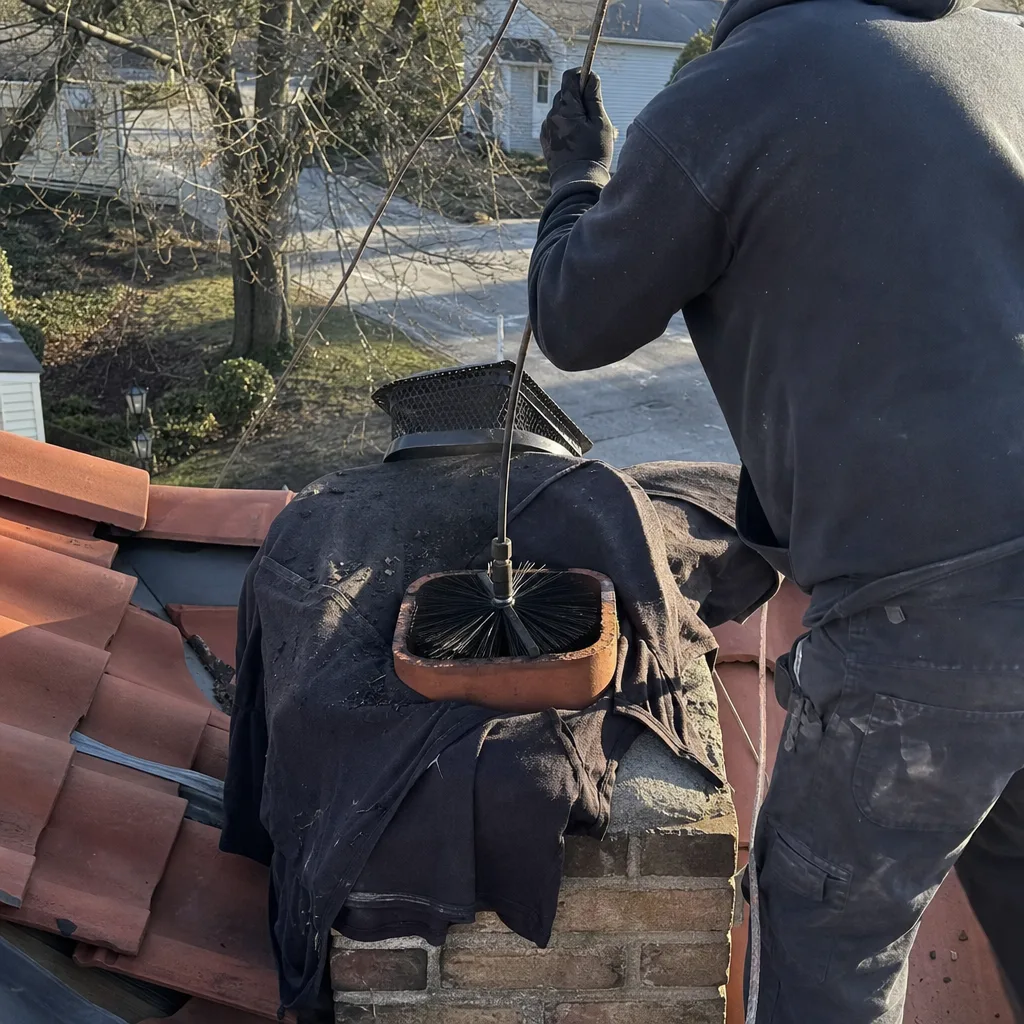
Certain events and transactions trigger Level 2 inspection requirements beyond routine maintenance. Understanding these triggers helps you maintain compliance and protect coverage.
Municipally mandated Level 2 inspections:
- Property transfer or sale: Some municipalities, including select Cook County suburbs, require Level 2 inspection certificates as part of real estate transaction packages. Arlington Heights does not currently mandate this at the village level, but we see it requested routinely by buyer’s attorneys and home inspectors.
- After chimney fire: Most fire departments in Cook County require Level 2 inspection before the chimney is returned to service. The inspection must be performed by a qualified professional and submitted to the fire prevention bureau.
- Installation of new appliance: When connecting a new wood stove, insert, or gas appliance to an existing chimney, Arlington Heights requires inspection confirmation that the flue is properly sized and lined for the new appliance category.
- Structural event: After earthquake, lightning strike, or significant wind damage, Level 2 inspection assesses concealed damage.
Insurance-mandated Level 2 inspections:
Homeowner insurance policies increasingly include chimney maintenance clauses. After a chimney fire or carbon monoxide incident, insurers require documentation that the system was properly maintained and that the event was not caused by neglect. The documentation they want:
- Date of last professional cleaning and inspection
- NFPA 211 inspection level performed
- Written findings with photo or video evidence
- Name and credentials of inspecting company
- Scope of any recommended repairs and completion dates
We’ve assisted Arlington Heights homeowners with post-loss documentation since 2009. The pattern is consistent: homeowners with annual Level 2 records from qualified sweeps receive faster claim processing and fewer disputes. Homeowners with no records, or with handwritten receipts saying “chimney cleaned - $150,” face extended investigation and frequent partial denials.
The written report from a Level 2 inspection must contain specific elements to satisfy both municipal and insurance requirements:
- Property address and date of inspection
- Inspector name and company credentials
- Appliance and chimney type, dimensions, and construction
- Video or photographic record of full flue length
- Measurement of creosote deposits (if any) with NFPA 211 classification
- Condition assessment of liner, crown, cap, smoke chamber, and firebox
- Clearance verification to combustibles in accessible areas
- Recommendations with priority classification (immediate, near-term, monitoring)
- Signature and company stamp
Our reports include all nine elements as standard. They’re delivered electronically within 24 hours of inspection and archived under Haven Standard Clause 4. If you need documentation for a sale, insurance claim, or permit application five years later, we have it.
What Your Insurance Company Needs to See After an Incident
Chimney fires and carbon monoxide incidents generate specific documentation demands from insurers. Missing documentation creates claim denial risk. Understanding what insurers actually need - before an incident occurs - lets you maintain records proactively.
After a chimney fire:
The insurer’s first question is whether the fire resulted from failure to maintain the system. Their adjusters look for:
- Evidence of annual or near-annual professional inspection and cleaning
- Documentation that creosote deposits were addressed before reaching hazardous levels
- Confirmation that any prior damage or deterioration was repaired
- Verification that the appliance was operated according to manufacturer specifications
Without this documentation, insurers may invoke policy exclusions for “lack of maintenance” or “gradual deterioration.” These exclusions are standard in Illinois homeowner policies. We’ve seen claims reduced or denied in Arlington Heights and across Cook County when homeowners could produce only a credit card charge for “chimney service” with no detail about what was performed or found.
After carbon monoxide incident:
Carbon monoxide claims involve different documentation. Insurers investigate whether the chimney system was properly venting, whether liners were intact, and whether appliances were correctly installed. Critical documentation includes:
- Level 2 inspection reports showing flue integrity at time of last service
- Appliance installation permits and inspection sign-offs
- Liner specifications matching appliance requirements
- Maintenance records for both chimney and appliance
The intersection of chimney condition and appliance operation matters here. A properly maintained chimney with an improperly installed appliance can still cause CO poisoning. Conversely, a deteriorated liner in an otherwise well-maintained system creates liability questions. Complete documentation of both chimney and appliance protects you.
Our documentation standard: Every Emberly Chimney Cleaners Arlington Heights job generates a written price before work starts (Haven Standard Clause 1), a photo record on completion (Clause 4), and a written warranty. These documents, maintained together, satisfy every insurer documentation request we’ve encountered in 38,000+ jobs. If you’re missing documentation from prior service, we offer a current Level 2 inspection that establishes baseline condition for future reference.
Chimney Condition and the Illinois Residential Real Property Disclosure Act
The Illinois Residential Real Property Disclosure Act (765 ILCS 77) requires sellers to disclose known material defects in specific building systems, including “smoke and carbon monoxide detectors, and any known problem with the fireplace, chimney, or flue.” This single sentence creates significant exposure for sellers who’ve deferred chimney maintenance or accepted unpermitted repairs.
What sellers must disclose:
The Act requires disclosure of “known” defects, not suspected or possible issues. However, “known” is interpreted broadly in Illinois case law. If you’ve received a written report stating your flue liner is cracked, that defect is known. If you’ve observed water staining around your chimney but never had it inspected, the staining itself may trigger disclosure obligations.
Specific chimney conditions we’ve seen disclosed in Arlington Heights transactions:
- Cracked or deteriorated flue liner (observed or reported by any inspector)
- Active water intrusion or historical leaks
- Unlined chimney serving any appliance
- Previous chimney fire, regardless of apparent damage
- Repairs performed without permit, even if technically sound
- Appliance installation not inspected by village or county
The permit problem at resale:
Unpermitted liner work surfaces during buyer due diligence in predictable ways. The buyer’s home inspector notes a new liner and checks village records. No permit appears. The buyer’s attorney requests permit documentation. The seller has none. At this point, several outcomes are possible:
- The seller obtains retroactive permit, with fees, inspections, and possible rework ($2,800-$4,200 typical in Arlington Heights)
- The seller provides documentation from a qualified professional that the work meets code, and the buyer accepts this in lieu of permit (uncommon with institutional lenders)
- The transaction stalls while parties negotiate responsibility and timeline
- The buyer walks, particularly in cooling markets or with FHA/VA financing
We’ve provided retroactive documentation for prior work, performed corrective work to bring unpermitted installations to code, and consulted with real estate attorneys on disclosure strategy. The consistent lesson: permits obtained at time of original work cost $150-$400. Permits obtained after the fact cost 10-20 times that, plus transaction stress.
For buyers in Arlington Heights, we recommend requesting:
- Seller’s disclosure with specific chimney section completed
- All permits for chimney work in prior 10 years (available from Village Building Department)
- Most recent Level 2 inspection report, or contingency for one
- Documentation of any chimney fire or CO incident
Our Chimney Repair in Arlington Heights includes permit application and inspection scheduling as standard when we perform liner replacement or rebuild work. The permit number appears on your invoice and in your permanent record.
Common Mistakes to Avoid
- Assuming cleaning and repairs share permit status. They don’t. Cleaning never requires a permit. Liner replacement almost always does. We’ve met Arlington Heights homeowners who delayed cleaning fearing permit complexity - unnecessary, and the deferred maintenance made their eventual repair more expensive.
- Accepting “we’ll pull the permit later” from contractors. Permits pulled after work begins, or after completion, trigger additional scrutiny. Some municipalities require partial disassembly for inspection. Get permit confirmation in writing before work starts, with permit number.
- Discarding service documentation. Insurance claims and resale disclosures require historical records. Our Haven Standard Clause 4 archiving means we maintain records; many competitors don’t. Keep your own copies regardless.
- Confusing Level 1 and Level 2 inspection for insurance purposes. A flashlight look satisfies no post-loss documentation requirement. Insurers specifically request video or photographic evidence of internal flue condition. Ask your sweep what inspection level they’re performing and get it in writing.
- Neglecting village-specific requirements. Arlington Heights requires contractor registration; some unregistered contractors perform work anyway. Unregistered work can be red-tagged, requiring removal and replacement by registered contractor. Verify registration on the village website.
- Failing to match liner to appliance. NFPA 211 requires liner sizing based on appliance type, input rating, and venting configuration. Generic “one size fits most” liner installations fail inspection and create CO hazards. We specify Olympia Chimney or DuraFlex products with engineering documentation for each application.
- Ignoring disclosure obligations after receiving inspection reports. Once a professional documents a defect, it becomes “known” for disclosure purposes. Address it, disclose it, or accept transaction risk. Hoping the buyer doesn’t find out is not a strategy.
When to Call a Professional
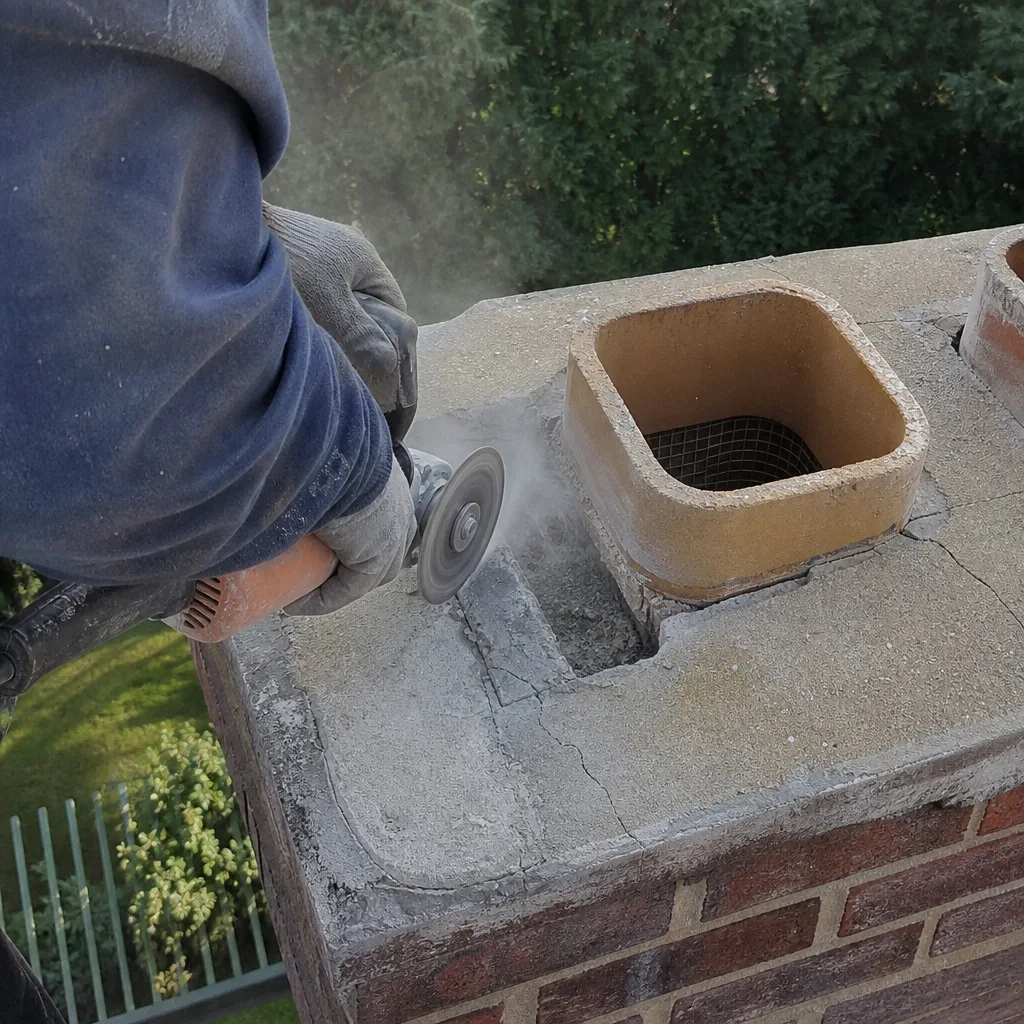
Call a qualified chimney professional when: your annual inspection is due; you’re buying or selling a home; you’ve changed heating appliances; you’ve experienced a chimney fire or CO alarm; or you’ve noticed new water staining, draft problems, or debris in the firebox. In Arlington Heights, winter freeze-thaw cycles accelerate crown and mortar deterioration - spring inspection catches damage before autumn burning season.
Emberly Chimney Cleaners Arlington Heights offers free estimates in Arlington Heights - call (331) 202-2419. Every estimate includes written scope, written price, and explanation of any permit requirements. Our background-checked, uniformed technicians arrive with license verification, and you’ll receive a text when they’re on the way. We’ve completed more than 38,000 chimney inspections and cleanings since 2009, every one with a written price before work started and a documented record when done. Explore more guides & resources on our blog.
Frequently Asked Questions
No. Chimney cleaning, sweeping, and routine maintenance do not require permits in Arlington Heights or anywhere in Illinois. Permits apply to structural modifications, liner replacement, rebuilds, and new construction. If your sweep mentions needing a permit for standard cleaning, that’s a red flag. Call (331) 202-2419 for a free estimate - we’ll tell you exactly what your specific situation requires.
Standard chimney sweeping in Arlington Heights typically runs $189-$289 for a single-flue system, including NFPA 211 Level 2 inspection with camera scan and photo documentation. Factors affecting price include number of flues, accessibility, and creosote severity. We deliver a written price before any work starts, with no hidden fees. Call (331) 202-2419 for an exact quote - estimates are free.
Deferred cleaning allows creosote accumulation, which restricts draft, reduces efficiency, and increases fire risk. Class III glazed creosote, common in Arlington Heights where homeowners burn seasoned hardwood intermittently, requires chemical treatment and cannot be removed by brushing alone. Most critically, lack of cleaning records voids insurance coverage after chimney fires - adjusters routinely deny claims when no professional maintenance is documented. The cost of annual cleaning is minor compared to claim denial or house fire.
You need a new liner when inspection reveals cracks, gaps, or deterioration that compromise containment of combustion byproducts, or when your current liner is unlisted for your appliance type. We don’t recommend liner replacement without camera evidence you can see yourself - that’s Haven Standard practice. In Arlington Heights, we’ve documented liners that appeared sound from the firebox but failed at the thimble connection, invisible without video scan. Bring us any competitor’s written estimate for a free second opinion.
NFPA 211 recommends annual inspection for all chimney systems, and cleaning when deposits exceed 1/8 inch. In practice, Arlington Heights homeowners with gas fireplaces and no wood burning may extend to biennial inspection if prior reports show clean flues. Wood-burning systems, especially those with exterior chimneys exposed to freeze-thaw cycling, benefit from annual service. We assess your burning habits and prior findings to recommend appropriate frequency - not automatic annual cleaning for everyone.
You can, but it’s increasingly difficult. Cook County buyers and their lenders scrutinize permit history, and unpermitted liner work appears in home inspection reports. The Illinois Residential Real Property Disclosure Act requires disclosure of known defects, which includes unpermitted work once you’re aware of it. Remediation costs $2,800-$4,200 in Arlington Heights, versus $150-$400 for original permitting. If you’ve inherited unpermitted work, we can assess code compliance and assist with retroactive permitting when possible.
Cook County sets baseline code standards that Arlington Heights adopts with local amendments. For chimney work, practical differences are minor: Arlington Heights issues permits directly through its Village Building Department with faster turnaround (typically 3-5 business days), while unincorporated Cook County adds fire district review (8-12 business days). Both require contractor registration, plans or specifications, and rough/final inspections. We handle permit application and scheduling regardless of jurisdiction.
The Bottom Line
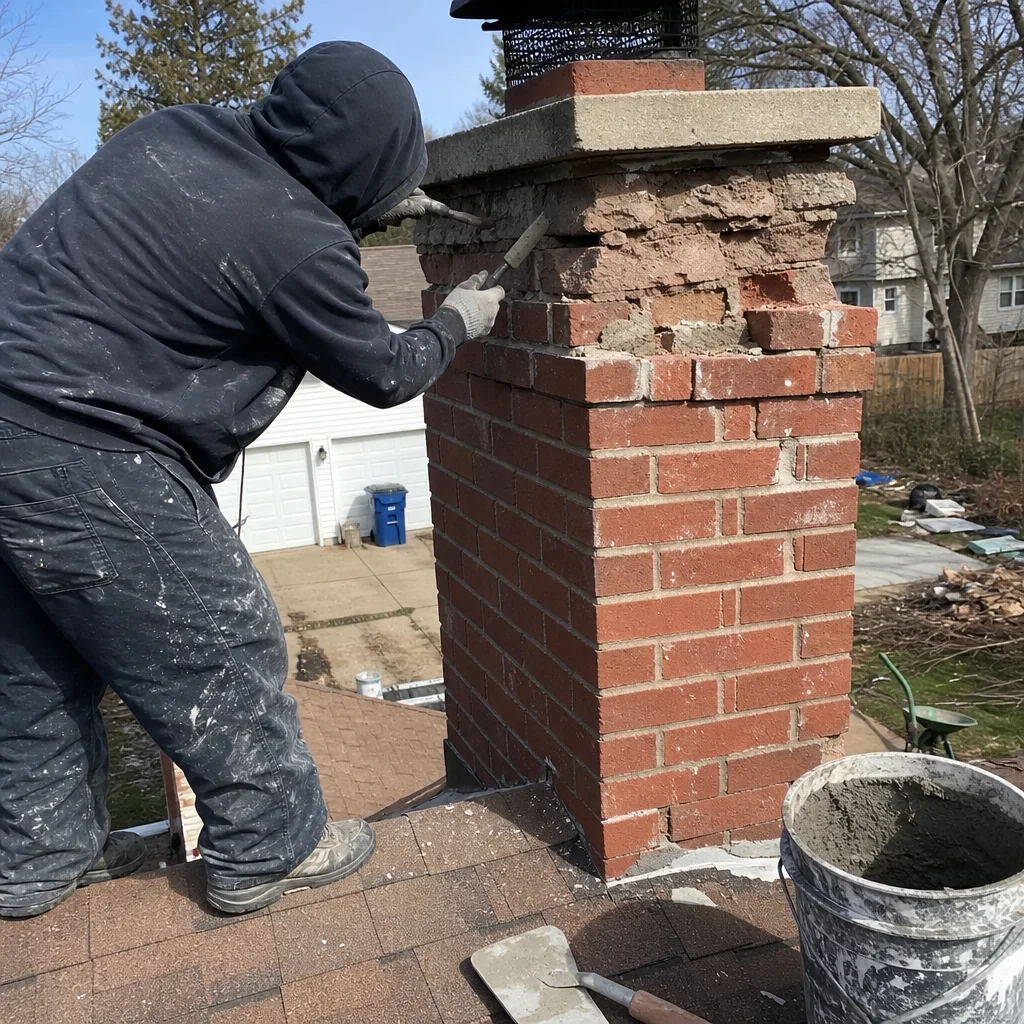
Chimney cleaning itself is permit-free in Illinois, but the repairs it reveals rarely are. The critical distinction is between maintenance and modification - cleaning maintains, liners and rebuilds modify. In Arlington Heights and across Cook County, unpermitted liner work creates resale obstacles, insurance vulnerabilities, and costly retroactive compliance. Protect yourself by demanding written documentation of every service, verifying permit status of any structural work, and maintaining NFPA 211 Level 2 inspection records that satisfy both municipal inspectors and insurance adjusters. The documentation standard we established in 2009 - written price, written scope, photo record, written warranty - exists precisely because these intersections of code, insurance, and real estate require evidence, not assurance.
Written by Corrine Halstead, Owner at Emberly Chimney Cleaners Arlington Heights, serving Arlington Heights since 2009.